Terminal
The way a stroke ends where there is no serif, which carries most of a sans serif's character.
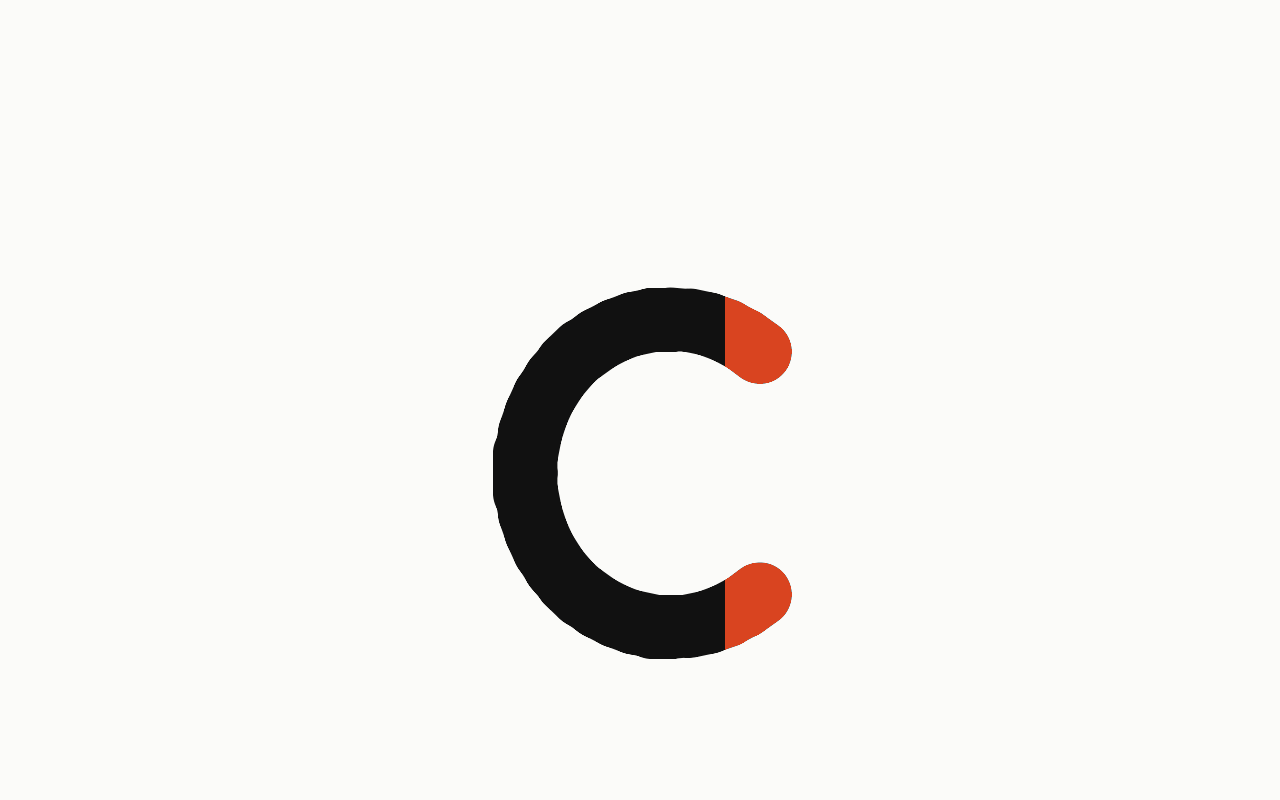
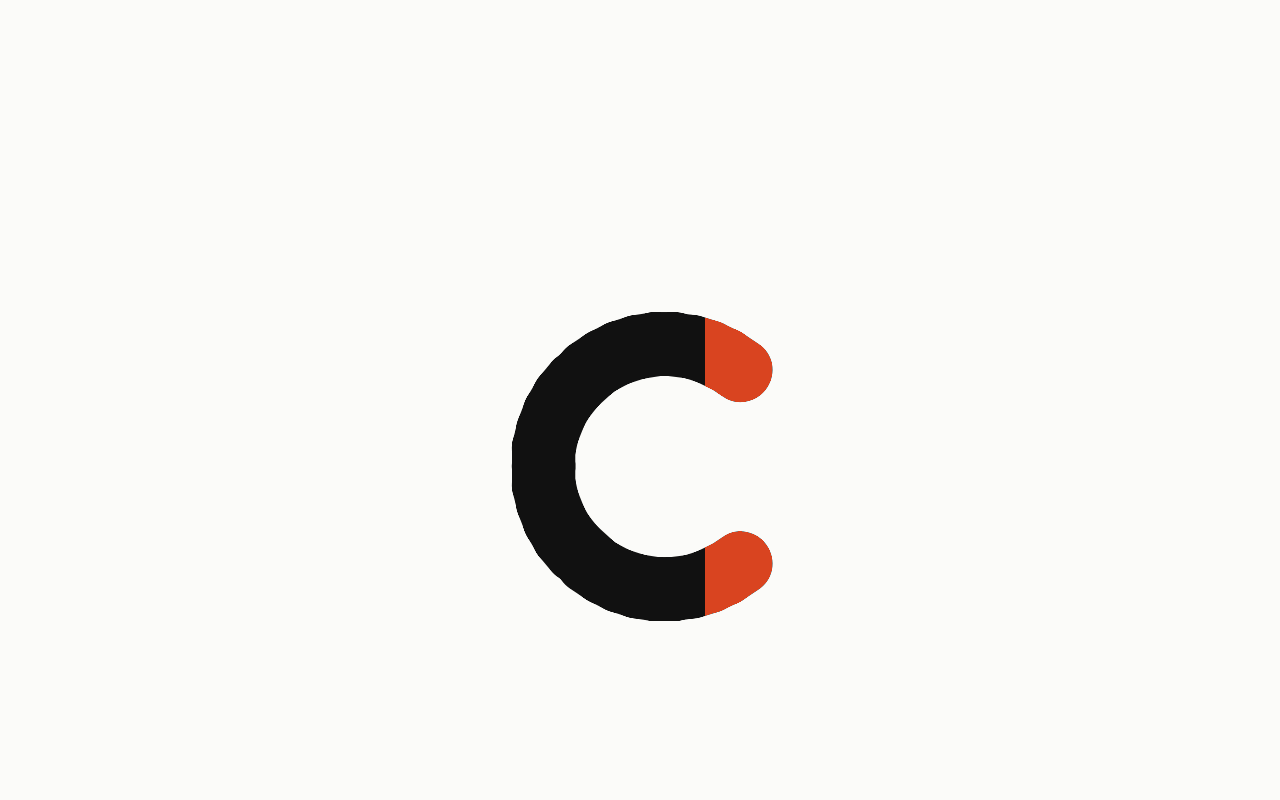
Near it
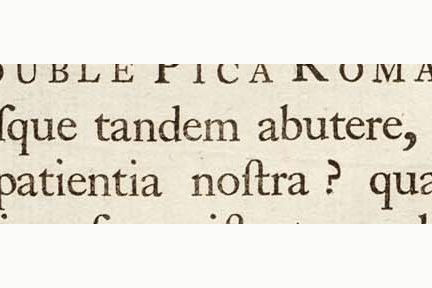 Finial
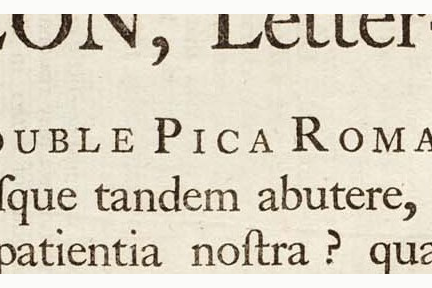 Ball terminal
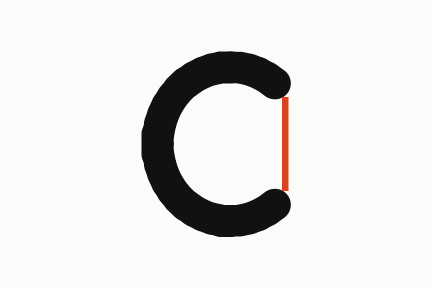 Aperture
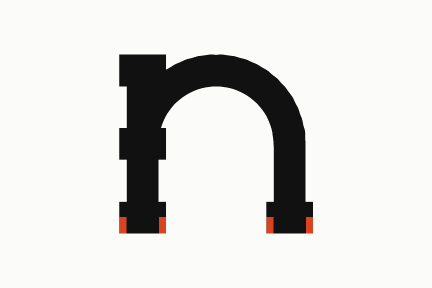 Serif
SerifWhat it is made of
| what it is | where a stroke stops, and the shape the end is cut to | |
| measured from the source | Drew Grotesk has 346 free stroke ends across its 127 glyphs, ends no other stroke in the same letter is holding: 182 land elsewhere, 64 on the baseline, 44 on the cap, 35 on the x-height and 21 below the baseline | read from the shelf's own stroke data on 2026-09-29, rather than measured off its ink. A shared end is a JOINT, left round by the build so the chain does not saw-edge at its bends; a free end is where the letter actually stops. The 178 and 65 this row carried were read on a build replaced before it shipped |
| and the three lines are cut, the rest are not | an end landing on the cap, the x-height or the baseline is cut HORIZONTALLY through that line when it arrives steeper than 45 degrees, and on the baseline a foot is cut flat down to 30; anywhere else it is square to its own stroke, or round | read out of the shelf's own build rather than inferred. That rule, with the 45-degree limit on every line, was the last of the baseline fault on this shelf: a shallow diagonal's foot was cut square to itself and its corner hung under the line. Loosened for the baseline alone on 2026-09-24, because a hanging foot is the fault and an arm ending at the x-height is not |