Transitional
Also called Réale
The serif class standing between pen and compass: the stress comes upright, contrast rises, and the serifs flatten.
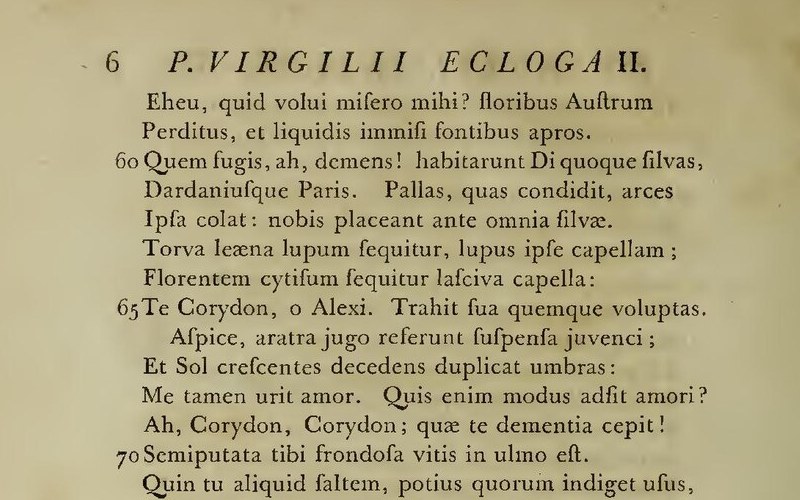
Public domain
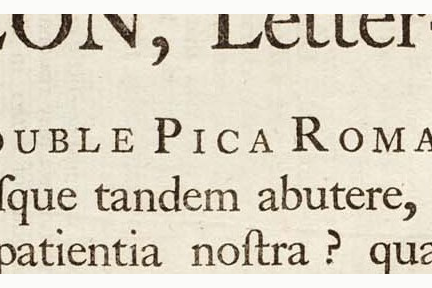
Public domain: Printed in Birmingham in 1757; Baskerville died in 1775, and the book is out of copyright everywhere; Commons tags the scan public domain, and this house reads a faithful scan of a flat public-domain page as carrying no new copyright.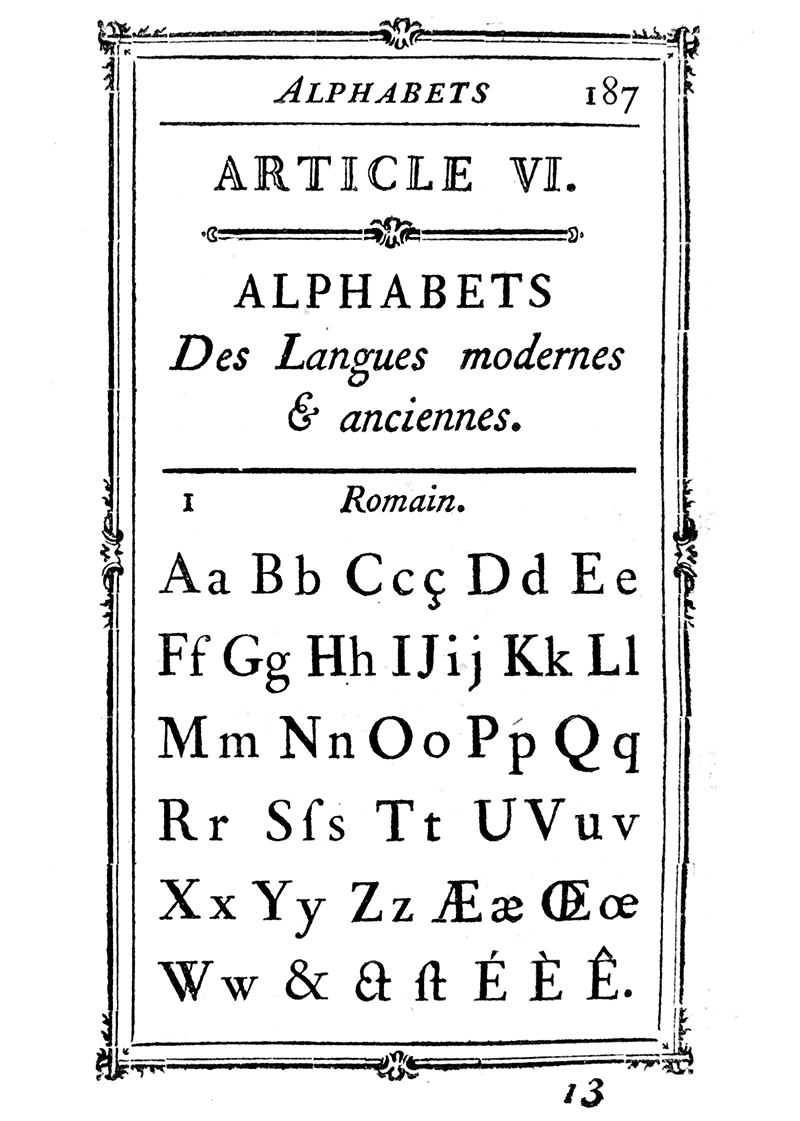
Public domain
Public domain: Printed in Paris in 1766 by Fournier, who died in 1768; out of copyright everywhere; Commons tags the file public domain, and this house reads a faithful reproduction of a flat public-domain page as carrying no new copyright.Near it
 Garalde
 Didone
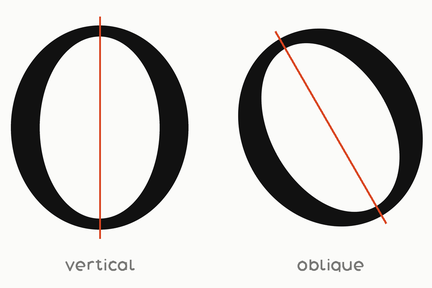 Stress
 Ball terminal
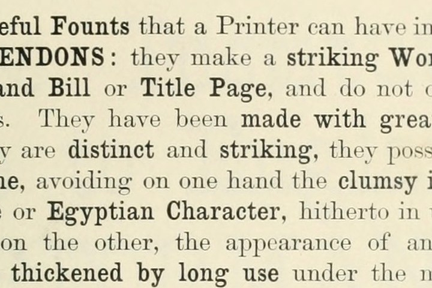 Clarendon
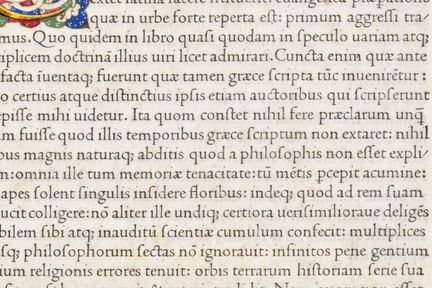 Humanist
What it is made of
| stress | vertical or near it | |
| contrast | higher than garalde, lower than didone | |
| serifs | fine, bracketed | |
| the classification this term belongs to is retired | de-adopted 18 March 2021 | AND THE CLASSIFICATION THIS TERM BELONGS TO WAS RETIRED BY ITS OWN CUSTODIAN. The ATypI board de-adopted Vox-ATypI on 18 March 2021 and withdrew its endorsement, because the system divides only the Latin writing system and a later revision put Cyrillic, Arabic, Hebrew and the Asian scripts together under one heading called Non-Latines. ATypI, "ATypI de-adopts Vox-ATypI typeface classification system", published 27 April 2021, read whole (1,136 words). THE STATEMENT DOES NOT DEFINE THIS CLASS: it names only Garaldes and Linéales as examples, so nothing in this entry's own definition comes from it |
Where it came from
Eighteenth century. The Romain du Roi cut for the French crown from 1692 is the usual starting point, and Baskerville the usual example.
Done well
- Baskerville, John Baskerville, 1757